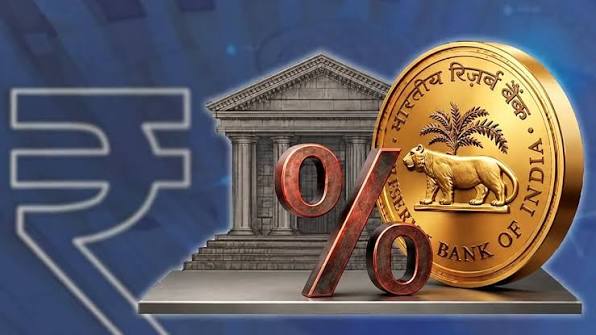
The Reserve Bank of India’s 25-basis-point repo-rate hike to 5.5% may sound small. But it sends a larger message: borrowing is becoming costlier, and the RBI wants to keep inflation under control. Banks including Bank of Baroda, PNB and Indian Bank have raised some repo-linked lending rates in response. The full impact will depend on how quickly higher rates pass through the economy.
Why raise rates? When prices rise too quickly, households and businesses may keep spending even as goods and services become more expensive. A higher policy rate works through banks: loans cost more, some purchases and investments are postponed, and demand may cool. This is one way monetary policy can ease inflation. But it is a balancing act. If rates stay high for too long, weaker spending can also slow economic growth.
For borrowers, the effect may show up in a higher EMI or a longer repayment period on loans linked to an external benchmark. A family planning to buy a home, car or appliance may reconsider, while an existing borrower may have less money left for other expenses. Savers could benefit if banks raise deposit rates, though the timing and amount vary.
Businesses face a similar calculation. Higher borrowing costs can make new factories, machinery or expansion plans less attractive. Smaller firms, which often have fewer financing options, may feel the squeeze most. If consumers also cut back, companies in housing, automobiles and other big-ticket sectors could face weaker demand. Over time, that may affect sales, profits and hiring.
The share market reacts to both the rate increase and what it suggests about the months ahead. Higher interest rates can reduce the value investors place on future profits, and they can make safer interest-bearing investments more attractive relative to shares. Companies with heavy debt or rate-sensitive customers may come under pressure. Banks can see mixed effects: lending rates may rise, but slower credit growth or repayment stress could offset some gains.
Recent market reports show that Indian shares fell after the RBI’s move, with investors also concerned about rising crude prices and foreign investor selling. That reaction does not mean every stock will fall, or that the rate hike alone caused the decline. Markets respond to several forces at once, including company earnings, global events and whether investors had already expected the decision.
Economist John Maynard Keynes described how interest rates influence investment decisions: when financing becomes expensive, businesses may delay projects. Irving Fisher’s work also helps explain why people compare the return from spending or investing today with the cost of waiting. In everyday terms, higher rates encourage caution—but they can also restrain demand and price increases.
For the common person, the consequences may be felt in monthly budgets, loan plans, job prospects and investments. The RBI’s challenge is to contain inflation without choking off growth. Whether the hike succeeds will depend on how persistent price pressures are, how banks pass on the change, and whether household incomes and business earnings can keep pace.