In the grand theater of nations, India often tries to play the role of an ancient sage—wise, weathered, and whispering tales of bygone glory. As a corrolary, most musings by the believers in india’s past glory begin with an earnest plea for resurgence, casting her as a slumbering giant ready to awaken with a few bold strokes: higher wages, a fee tweaks in rules , a nod to historical triumphs, and a sprinkle of cultural revival.
But like a Bollywood plot twist gone awry, it assumes too much, aspires too narrowly, and leaves yawning gaps in the historic, economic, political, and moral tapestry. It’s a narrative that tantalizes but ultimately teeters, much like a house of cards built on shifting sands.
Let’s start with the assumptions, those invisible pillars holding up the believers’ edifice. They posit that India’s “millennial neglect”—a shorthand for centuries of colonial plunder, internal strife, and post-independence missteps—can be remedied with what amounts to a wage wand. Raise salaries, stimulate consumption, make things a bit easier, and voilà, prosperity cascades like monsoon rains.
Charming in its simplicity, but perilously naive. This overlooks the entrenched inertia of a system where economic disparities aren’t mere glitches but geological faults, forged over millennia. The assumption here is that money alone mends souls and societies, ignoring how wage hikes in isolation often inflate bubbles rather than build foundations. It’s like prescribing aspirin for a chronic heart condition—temporary relief, but the beat goes on irregularly.
Aspirations? The narratives dream big, envisioning an India reclaiming its mantle as a global powerhouse through a revival of “traditional values” and economic tweaks. Noble, sure, but myopically focused on the rearview mirror. It aspires to a golden age redux, evoking Vedic splendor and Mughal opulence as blueprints for tomorrow.
Yet this romanticism skirts the thorny reality: much of that past was riddled with inequities—caste rigidities, feudal exploitations—that we’d do well not to resurrect. The aspiration feels like a nostalgia trip, comforting but ultimately circular, looping back to the very divisions that have hampered progress. Where’s the forward thrust, the audacious leap toward uncharted horizons?
Such narratives zero in on immediate levers—policy reforms, investment inflows, and cultural pride—as if these were standalone saviors. But they blur the broader canvas, treating symptoms while sidestepping the disease.
Economically, they gloss over the need for ecosystemic overhaul: innovation hubs, sustainable infrastructure, and inclusive growth that doesn’t just trickle down but surges upward. Politically, they underplay the rot of cronyism and polarization, where the state often extracts rather than empowers. And morally? A soft-pedal on bigotry’s poison, framing it as mere “tensions” rather than a corrosive force that erodes trust and talent alike.
Historically, they cherry-pick a sanitized timeline, lionizing ancient achievements (think zero’s invention or spice trade empires) while airbrushing invasions, partitions, and the slow bleed of talent under colonial rule. Economically, they miss the millennia-long slide: from a GDP behemoth in antiquity to a laggard by the 20th century, not just due to external foes but internal fragmentations like religious schisms and resource mismanagement.
Politically, the narratives skimp on how authoritarian echoes and vote-bank divisiveness have perpetuated a state that demands servitude rather than delivers service. Morally, it tiptoes around the elephant in the room—bigotry’s grip, whether caste-based or communal—failing to confront how such prejudices warp the social fabric, turning potential allies into adversaries. These omissions aren’t mere oversights; they’re blind spots that doom the prescription to half-measures.
But let’s pivot to reconstruction. What if we ditched the fairy-tale fixes and embraced a narrative grounded in realism yet laced with radical optimism? Picture an India that acknowledges its millennial neglect not as a curse to be exorcised overnight, but as a chronicle demanding patient, profound repair.
No waving of wage wands here—quick cash infusions might spark a flicker, but they won’t ignite sustained fire. Instead, imagine rebuilding an ecosystem laser-focused on the future, where progress isn’t a slogan but a symphony of interconnected reforms.
Central to this alternative script is shedding the baggage of divisive religious rhetoric—the sermons, symbols, and skirmishes that have fractured focus for far too long. Abandon them, not out of disdain for faith, but to clear the stage for unity’s encore.
Thinking long-term, policies must envision the journey from a child’s first cry to their full maturity, spanning generations rather than election cycles. This isn’t about instant gratification; it’s about planting saplings today so tomorrow’s giants can shade the land.
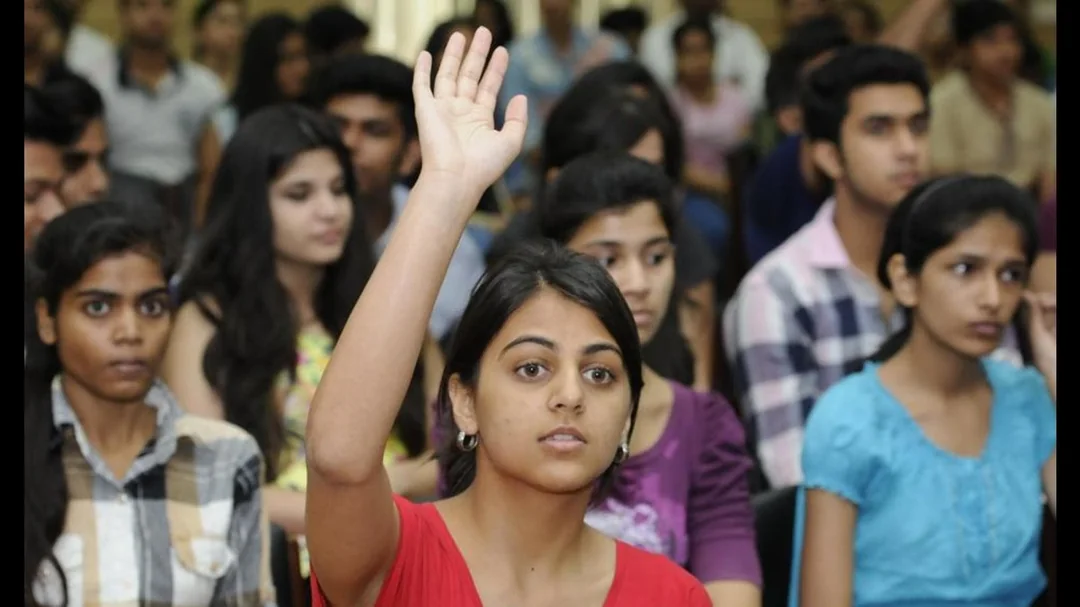
Education emerges as the hero in this tale—not the rote memorization of yesteryear’s facts, but a vibrant curriculum that teaches kids to connect dots across disciplines, weaving history with tech, ethics with economics. Better yet, pivot to learning that equips them to unravel the unknown: fostering curiosity over certainty, problem-solving over parroting.
Why? Because the true treasure trove isn’t buried in the ground or underground—oil, minerals, or artifacts—but unlocked in the boundless power of the mind. Harness that, and India transforms from resource-dependent to idea-driven, innovating its way out of old ruts.
Underpinning it all: a state that serves the people, not vice versa. Societies thrive when governments act as enablers—providing health, justice, and opportunity—rather than overlords extracting loyalty or tribute. Flip the script, and watch progress unfold like a lotus in dawn’s light.
Finally, India must slough off bigotry’s shackles, embracing humanity over hatred, thoughtfulness over tribalism. Look forward, not to a past that may be more myth than mortar—storied epics polished by time’s selective gleam. What lies ahead?
An India humane and hopeful, where diverse voices harmonize in pursuit of shared stars. It’s a narrative that doesn’t promise utopia tomorrow but beckons us toward it, step by deliberate step. The first chapter starts with us—educators, leaders, dreamers—all scripting the sequel together. Who knows what marvels await in the unwritten pages?